You might notice it slowly at first – faint streaks that don’t quite wash off, cloudy patches that dull your view, or stubborn spots that seem to return no matter how often you wipe the glass. On the Gold Coast, this isn’t just surface grime. It’s often the early stages of something more permanent. Many homeowners searching for a window cleaner on the Gold Coast are surprised to learn that these marks can signal glass corrosion, not just dirt.
Glass may feel smooth and solid, yet it’s more vulnerable than it looks. Left untreated, everyday exposure to coastal conditions can begin to break it down. Regular cleaning isn’t just about keeping your home looking sharp but also plays a key role in protecting your windows from lasting damage.
What Glass Corrosion Actually Means for Your Home
Glass corrosion sounds dramatic, though it’s a gradual process that develops over time. It begins when contaminants sit on the surface long enough to interact with the glass itself.
On the Gold Coast, three main culprits drive this process:
- Salt from coastal air settles onto windows and starts to bond with the surface
- Humidity keeps that salt and grime moist, allowing it to linger longer
- Airborne pollutants like dust, pollen and vehicle residue add another layer of buildup
When these elements remain on the glass, they begin to etch into it. This creates tiny pits and imperfections that scatter light, which is why windows start to look hazy or dull.
At that stage cleaning becomes more difficult and eventually, standard washing won’t bring back the original clarity.
Why Coastal Living Speeds Everything Up
Living on the Gold Coast comes with incredible perks obviously: the ocean views, the fresh breezes and the bright sunshine. Those same conditions, though, accelerate wear on exterior surfaces, especially glass.
Salt doesn’t just sit loosely on your windows. It clings. Add moisture from humid air or rain, and it forms a thin film that sticks around long after a storm passes. This layer acts like a slow-working agent against the glass.
You might notice:
- Windows losing their shine quicker than expected
- A fine, chalky residue that reappears days after cleaning
- Water spots that seem etched in rather than sitting on the surface
These aren’t signs of poor cleaning habits. They reflect the local environment. Without a consistent approach to removing buildup, the glass doesn’t get a chance to recover.
The Difference Between Dirt & Damage
It’s easy to assume all marks on glass are temporary. Many are – dust, fingerprints and light smudges can be wiped away with basic cleaning. Corrosion, though, behaves differently.
Here’s how to tell the difference:
- Surface dirt wipes off easily and leaves a clear finish
- Mineral deposits may need extra effort but still lift with the right technique
- Corrosion marks remain even after cleaning and often appear as dull patches or faint streaks
Once corrosion sets in, the glass itself has changed. The surface becomes uneven at a microscopic level. Light hits it differently, which creates that cloudy or worn look.
That’s why prevention matters far more than trying to fix the issue later.
Why Regular Cleaning Protects More Than Appearance
Keeping your windows clean does more than improve how your home looks from the street. It actively protects the structure of the glass. Some pros of regular cleaning are that it:
- Removes salt before it bonds with the surface
- Stops moisture from sitting on contaminants for extended periods
- Clears away pollutants that contribute to chemical reactions
- Maintains a smooth surface that resists buildup
Think of it as routine maintenance rather than a cosmetic task. Just like you’d wash your car to protect the paint, your windows need the same level of care to stay in good condition.
Without it, the damage builds in the background.
Why DIY Cleaning Often Falls Short
Plenty of homeowners stay on top of their windows with a hose, bucket or store-bought spray. That effort helps, though it doesn’t always go far enough to prevent corrosion. A few common challenges include:
- Incomplete removal of residue – wiping can spread contaminants instead of lifting them
- Hard water use – leaving behind minerals that add to spotting
- Inconsistent cleaning frequency – allowing buildup to sit for too long between cleans
It’s not about doing anything wrong. It’s about the level of exposure your windows face in a coastal setting. Basic cleaning methods often can’t fully remove the fine layer of salt and pollutants that drive corrosion.
That’s where a more thorough approach makes a difference.
The Role of Professional Window Cleaning in Prevention
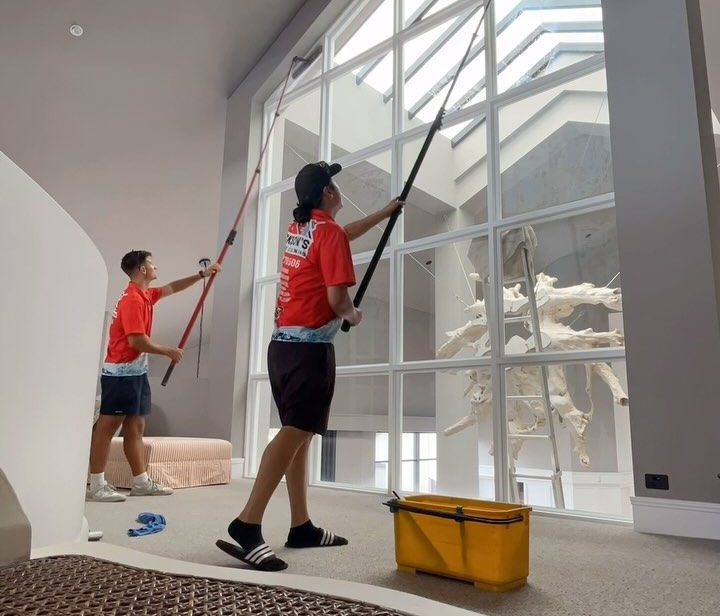
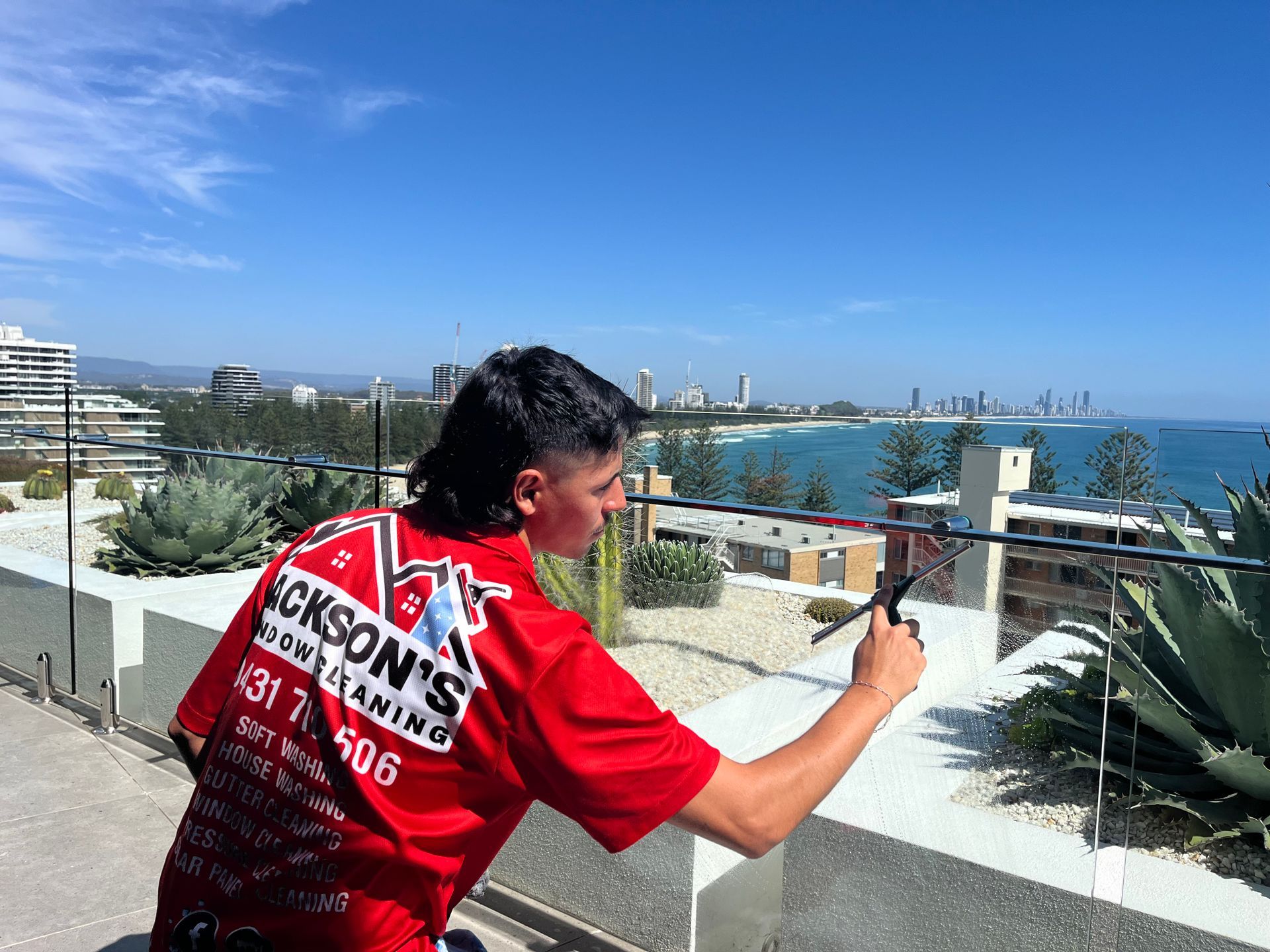
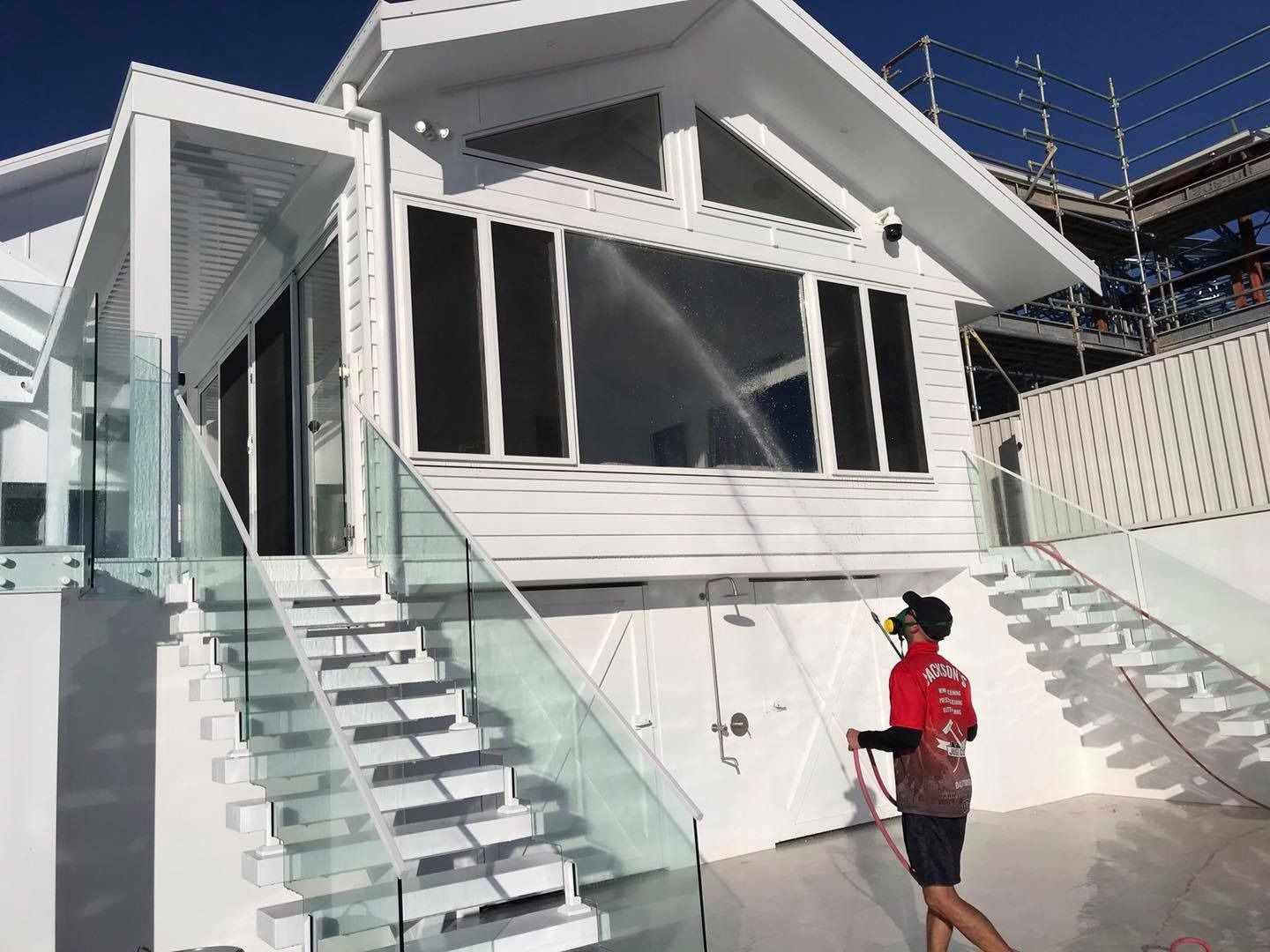
Professional window cleaning isn’t just a deeper clean – it’s a more controlled process designed to protect the glass over time. A professional service focuses on:
- Using purified water or specialised solutions that don’t leave residue
- Applying techniques that lift contaminants rather than spread them
- Reaching areas that are easy to miss, like edges and upper panes
- Working at a frequency that aligns with local environmental conditions
This approach keeps the surface consistently clear, which prevents the long-term buildup that leads to etching.
For many homeowners, bringing in a window cleaner on the Gold Coast becomes less about convenience and more about preserving the lifespan of their windows.
How Often Should Windows Be Cleaned Near the Coast?
There’s no single rule for every property, though location plays a big part. Homes closer to the beach experience heavier salt exposure, while those further inland may deal more with dust and pollutants.
As a general guide:
- Coastal homes benefit from more frequent cleaning to stay ahead of salt buildup
- Suburban areas may require a moderate schedule depending on traffic and vegetation
- Homes surrounded by trees often need attention due to pollen and organic debris
What matters most is consistency. Allowing long gaps between cleans gives contaminants time to settle and interact with the glass.
A steady routine keeps the surface protected and far easier to maintain.
Early Signs You Shouldn’t Ignore
Catching corrosion early can save you from more noticeable damage later. The key lies in recognising subtle changes before they become permanent.
Keep an eye out for:
- A slight haze that doesn’t clear after cleaning
- Fine streaks visible in certain light
- Water spots that feel rough rather than smooth
- Reduced clarity even on a bright day
These signs don’t always mean severe damage, though they do suggest the glass has been under stress. Acting early helps prevent further deterioration.
A Clear View That Lasts Longer
Clean windows do more than brighten a room. They allow natural light to flow freely, highlight your home’s features and create a sharper connection to the outdoors.
When corrosion takes hold, that clarity fades. The view becomes muted, and the glass never quite looks the same again. Regular care keeps that from happening. It preserves the smooth finish of the glass and helps your windows perform as they should – clear, bright and long-lasting.
Protect Your Windows Before the Damage Sets In
On the Gold Coast, your windows face constant exposure to salt, moisture and airborne debris. Leaving that buildup unchecked leads to gradual wear that can’t always be reversed.
That’s why ongoing maintenance matters. It’s not about chasing spotless glass for appearance alone but about protecting what’s already there.
At Jackson’s Window Cleaning, we work with homeowners across the Gold Coast to keep their windows clear and protected year-round. If you’ve started noticing hazing, spots or stubborn streaks, now’s the time to act.
Book a professional window cleaner Gold Coast locals rely on and keep your glass looking sharp for years to come.