What Areas Of Your Home Should Be Included In Exterior House Washing?
By Jackson's Window Cleaning • June 8, 2026

A home’s exterior carries the marks of everyday exposure long before most people notice them. Dust settles into textured walls, cobwebs gather under eaves, mould forms in shaded corners and grime slowly dulls the areas that once looked fresh and bright. For exterior house washing on the Gold Coast homeowners may be considering, the real value is in knowing which parts of the property need attention, not just giving the most visible walls a quick rinse.
Exterior washing is most effective when it treats the home as a complete system. Walls, gutters, fences, paths, windowsills and outdoor surfaces all influence how clean the property looks and how well it is maintained. DIY cleaning often focuses on the easiest sections at eye level, but many of the dirtiest areas sit overhead, behind obstacles or in narrow side access zones. A thorough wash helps remove build-up from the places that collect moisture, dust, salt, organic matter and staining over time.
Exterior Walls Set the First Impression
Exterior walls are usually the first area people think of when planning a house wash. They also tend to show a wide mix of marks, including dust, cobwebs, mildew, bird droppings and streaks from rainwater runoff. Render, brick, weatherboard, cladding and painted surfaces each need a suitable cleaning approach, as too much pressure can damage finishes or force water into gaps.
A careful wash should cover every side of the home, not just the front-facing walls. Side walls are often neglected because they are harder to access, while rear walls can collect grime from outdoor entertaining areas, gardens and shaded spaces. The result is a patchy appearance where one section looks cleaner than the rest.
A complete wall wash should include these areas:
- Front-facing walls
- Side access walls
- Rear exterior walls
- Rendered surfaces
- Painted cladding
Eaves Often Hide the Heaviest Build-Up
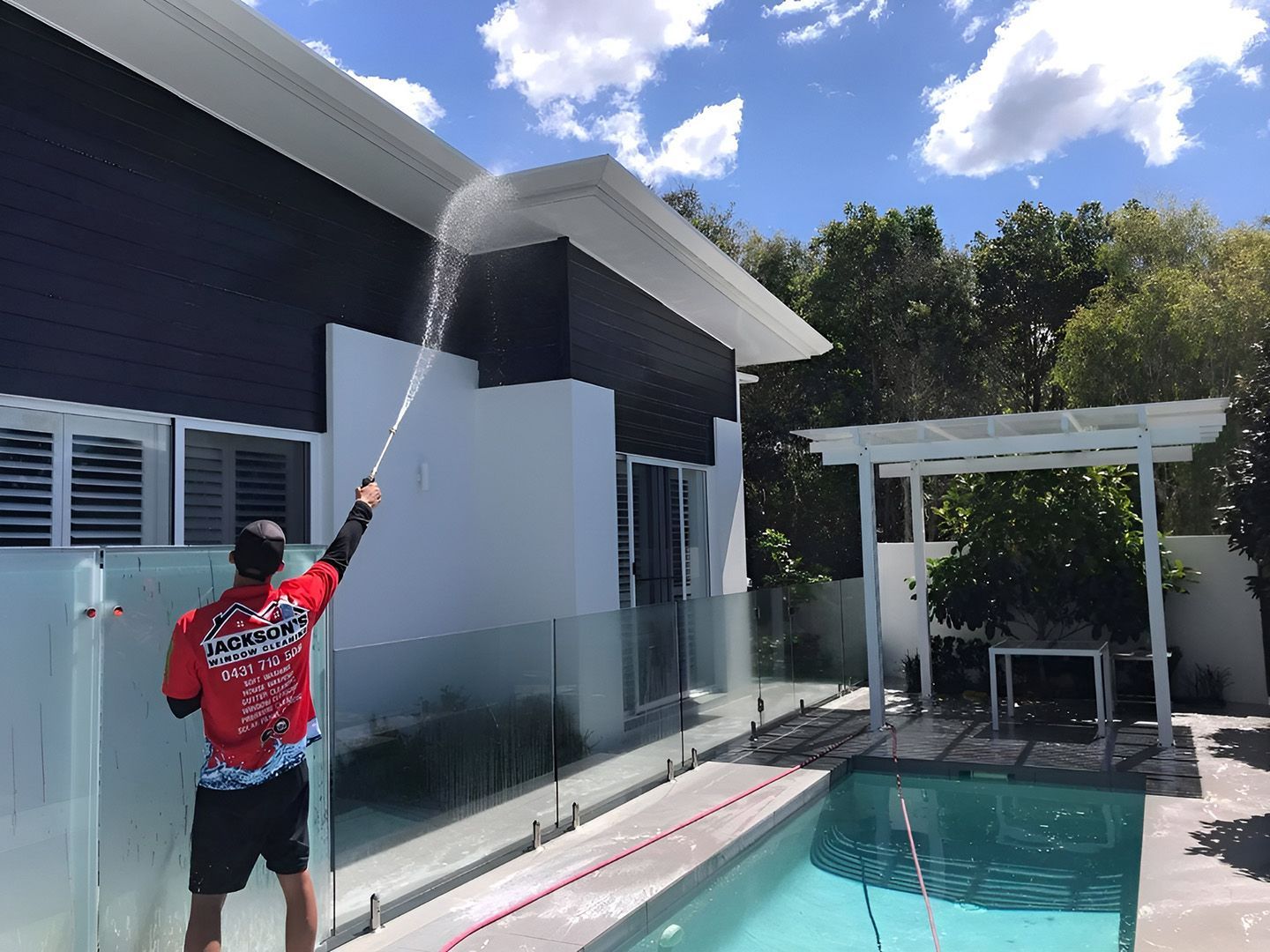
Eaves are one of the most commonly overlooked areas during DIY exterior cleaning. Because they sit overhead, dirt can build up quietly for months or years without being noticed from a normal viewing angle. Cobwebs, insect marks, dust, mould and small stains often gather along these sheltered surfaces, especially near lights, vents and roof edges.
Clean eaves make a noticeable difference to the overall appearance of a home. Even freshly washed walls can look unfinished if the eaves above them remain dirty. They require care because water can enter roof spaces or electrical fittings if washing is done too aggressively. A professional exterior washing service will usually use controlled methods that remove grime while protecting vulnerable areas.
Eaves deserve close attention because they collect hidden debris:
- Cobwebs around corners
- Dust under rooflines
- Insect marks near lights
- Mould in shaded areas
- Dirt along joins
Gutters and Fascias Need More Than a Glance
Gutters and fascias frame the roofline, which means they have a strong effect on how clean the home appears from the street. Dirty gutters can show dark streaks, algae, leaf stains and overflow marks. Fascias can also become discoloured, particularly where rainwater has carried grime down from the roof or where organic matter has sat against the surface.
Exterior house washing is different from internal gutter clearing, but the outside faces of gutters should still be included in a thorough clean. Washing these visible surfaces helps restore a more consistent look across the upper part of the home. It can also highlight areas where gutters may need maintenance, such as sagging sections, staining from overflow or marks that suggest repeated water movement.
Gutters and fascias should be checked for visible exterior grime:
- Outer gutter faces
- Fascia boards
- Downpipe exteriors
- Overflow staining
- Roofline edges
Windowsills and Frames Complete the Finish
Windows are often cleaned separately, but the surrounding frames, tracks, ledges and sills should be part of any detailed exterior wash. These areas collect dust, pollen, cobwebs and dirty water marks. When they are ignored, clean glass can still look untidy because the frame around it remains stained or dusty.
Windowsills are especially prone to grime because they act like small shelves. Rainwater can pool, dirt can settle and insects often leave marks in corners. Some frames need gentle washing to avoid damaging seals, screens or painted finishes. Flyscreens can also trap dust and should be treated carefully, particularly if they are older or brittle. Including these details helps the whole exterior feel properly refreshed rather than only partly cleaned.
A detailed window area wash should cover more than the glass:
- Window frames
- External sills
- Screen surrounds
- Track edges
- Corner cobwebs
Fences and Gates Affect the Whole Property
A clean house can still look neglected if the surrounding fences and gates are stained, dusty or covered in organic growth. Fences form a visual boundary around the home, so their condition has a major impact on the property’s overall presentation. Timber, Colorbond, rendered, painted and masonry fences can all collect dirt in different ways.
Fences near gardens often develop mould, algae or soil splash. Gates may show hand marks, rust stains or grime around hinges and latches. These areas are easy to forget because they sit away from the main building, but including them creates a more complete result. The cleaning method should suit the material, as timber and painted surfaces may need a softer approach than harder masonry.
Fence and gate washing can improve the full exterior view:
- Front boundary fences
- Side fences
- Garden-facing panels
- Pedestrian gates
- Driveway gates
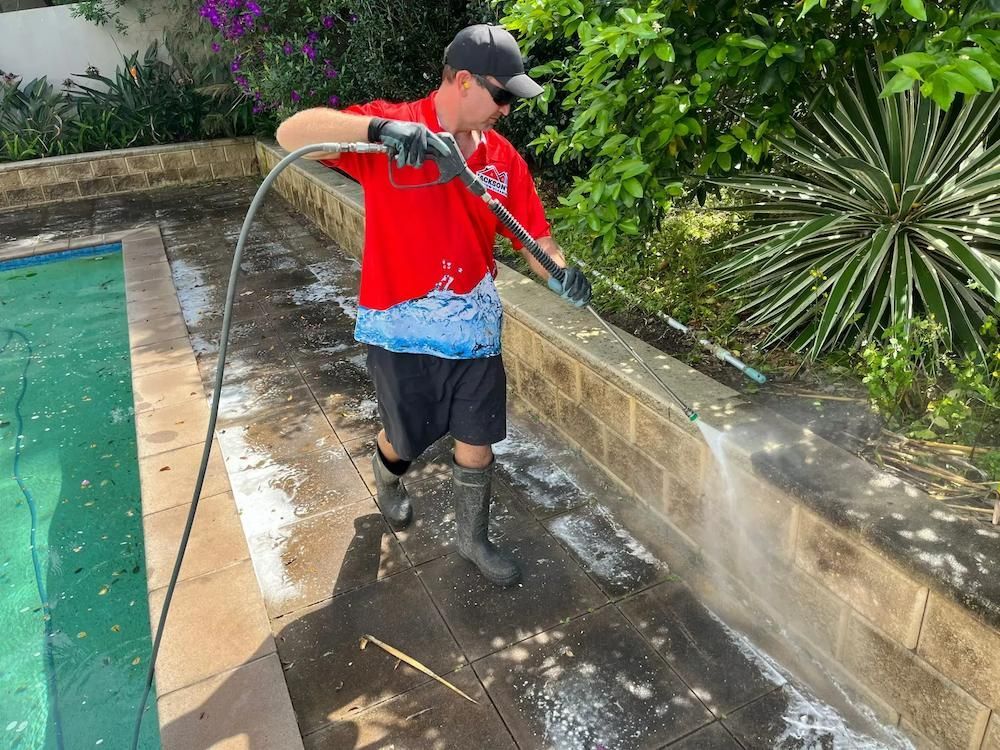
Driveways and Paths Carry Daily Traffic Marks
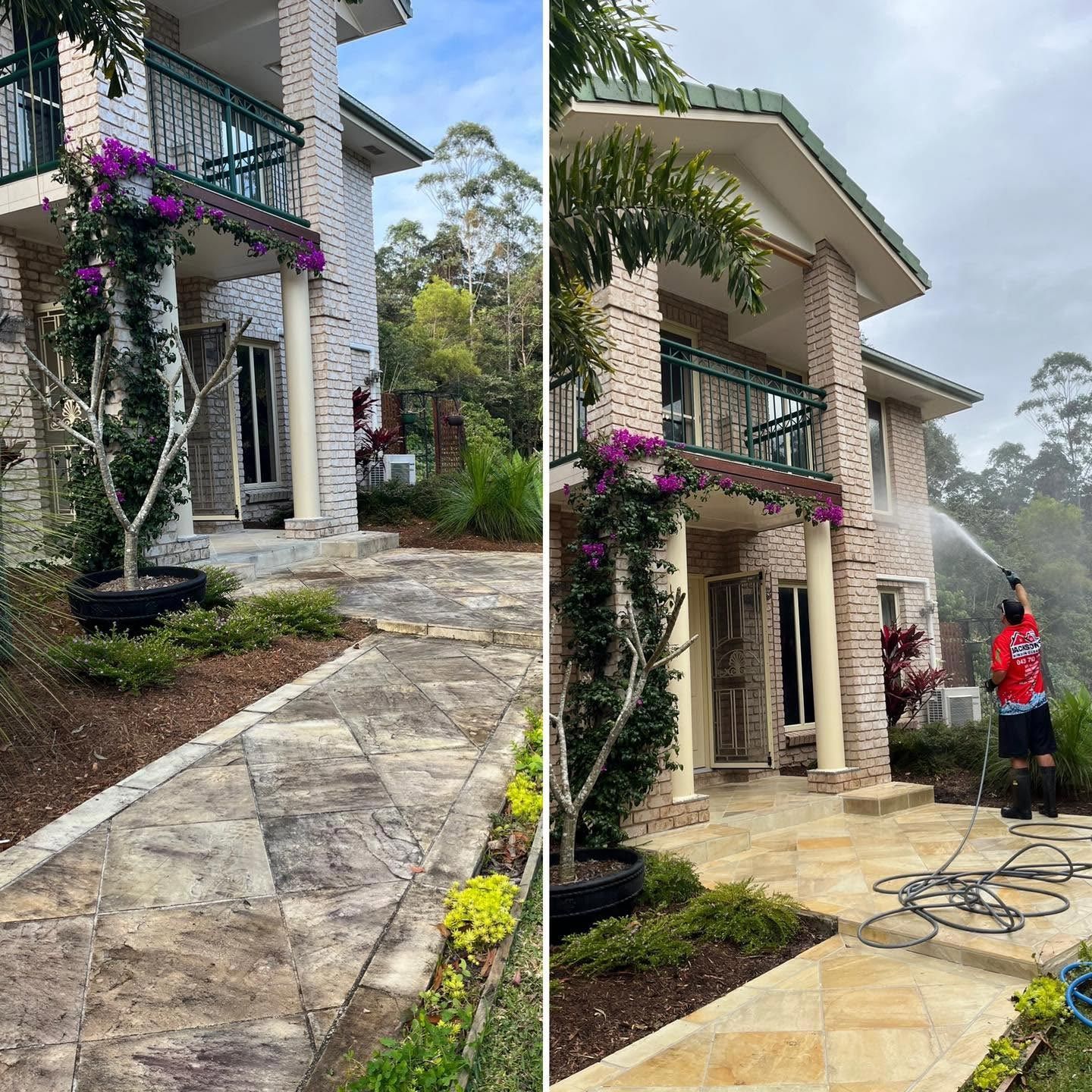
Driveways, paths and entry areas handle some of the heaviest daily use around the home. Tyre marks, oil spots, dirt, leaf stains, mud and general foot traffic can all leave surfaces looking tired. Because these areas sit underfoot, homeowners may not notice gradual discolouration until it contrasts sharply with freshly cleaned walls.
Including hard surfaces in an exterior wash helps connect the whole property visually. A bright exterior wall can look less effective if the path leading to it remains stained. Concrete, pavers, tiles and stone surfaces may require different cleaning methods to avoid surface damage or uneven results. Slippery moss and algae can also be an issue in shaded or damp areas, making cleaning useful for both appearance and everyday safety.
High-traffic ground surfaces often need targeted attention:
- Driveway areas
- Front paths
- Side walkways
- Patio edges
- Outdoor steps
Outdoor Living Areas Gather Grease and Dust
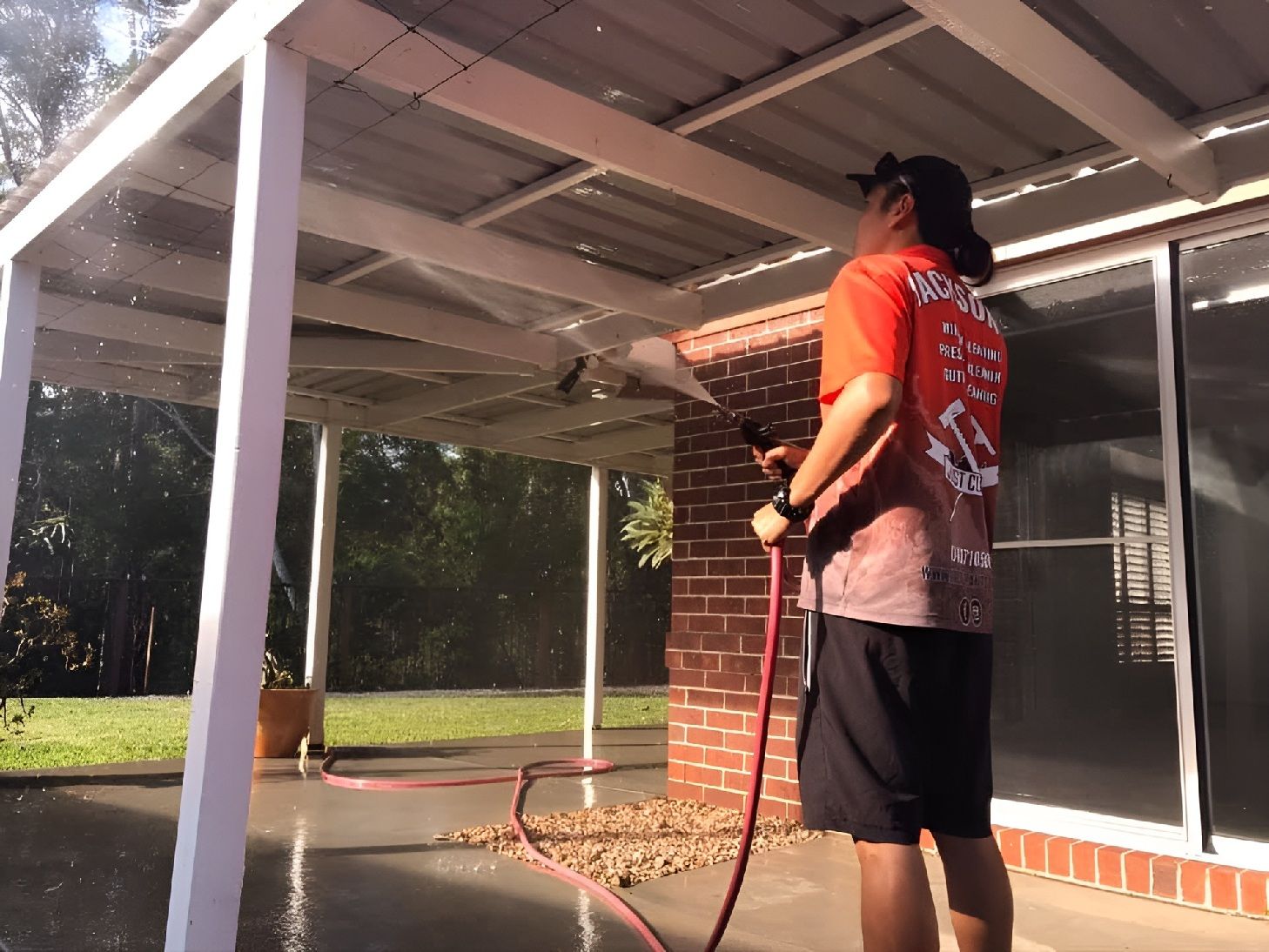
Outdoor entertaining spaces often collect a different kind of grime from the rest of the exterior. Patios, alfresco areas, decks and outdoor kitchens may be affected by cooking residue, dust, drink spills, furniture marks and garden debris. These spaces are used for relaxing and hosting, so cleanliness has a direct effect on how comfortable they feel.
Covered outdoor areas can still become dirty because wind carries dust and leaves into corners. Ceiling panels, beams, posts and nearby walls may also collect cobwebs or smoke marks from barbecues. Decking and tiled surfaces need care, as aggressive washing can damage coatings, lift paint or affect grout. A thorough but controlled clean can make these areas feel more inviting without harming the materials.
Outdoor living zones should be reviewed as part of the full wash:
- Patio flooring
- Alfresco walls
- Deck surfaces
- Outdoor posts
- Ceiling corners
Hard-To-Reach Areas Are Usually Missed First
The most overlooked parts of a home are often the ones that are awkward to reach. High walls, narrow side passages, areas behind plants, second-storey sections and spaces around external fixtures can all gather heavy build-up. DIY cleaning usually misses these zones because access is difficult, equipment is limited or the area is not visible from the main outdoor spaces.
These missed sections can become obvious once the easier areas are cleaned. A bright front wall may draw attention to a dirty upper corner, stained side wall or cobweb-filled roofline. Professional exterior washing can help achieve a more even result because the right tools, techniques and safety practices are used for elevated or awkward areas. This is especially important where ladders, uneven ground or nearby electrical fittings are involved.
Hard-to-reach areas should be included for a complete result:
- Upper wall sections
- Narrow side paths
- Behind large plants
- Around exterior fixtures
- Second-storey surfaces
Bring Every Exterior Detail Back Into View
We at Jacksons Window Cleaning help Gold Coast homeowners achieve a more complete clean with practical exterior house washing on the Gold Coast, including walls, eaves, gutters, fences, hard surfaces and overlooked areas that are easy to miss during DIY cleaning. To refresh your home’s exterior with care, contact us to book a service or discuss the areas that need attention.