What Homeowners Should Know About Soft Washing Vs Pressure Cleaning
By Jackson's Window Cleaning • August 6, 2026

Salt air might smell great on a morning walk, but it's not doing your home's exterior any favours. Between the humidity, the UV exposure and the constant salt drift from the coast, Gold Coast properties collect grime, mould and algae far quicker than homes further inland. That's where exterior house washing Gold Coast homeowners rely on comes into play, but not all washing methods are created equal. Understanding the difference between soft washing and pressure cleaning can save you from costly mistakes, protect your home's finishes and keep your property looking its best year-round.
Why Coastal Homes Face Faster Wear And Tear
Living near the coast means your home copes with a unique combination of environmental stressors that inland properties simply don't face. Salt particles carried on sea breezes settle on walls, windows and roofing, gradually breaking down paint and protective coatings.
Add in the Gold Coast's high humidity and you've got the perfect conditions for mould, mildew and algae to thrive:
- Salt residue corrodes metal fixtures and dulls painted surfaces
- Humidity encourages mould and mildew growth in shaded, damp areas
- UV exposure accelerates fading and cracking of exterior paint
- Rainfall combined with organic debris speeds up algae buildup on walls and roofs
Regular cleaning isn't just cosmetic, it's a genuine maintenance strategy that protects your investment.
How Soft Washing Actually Works
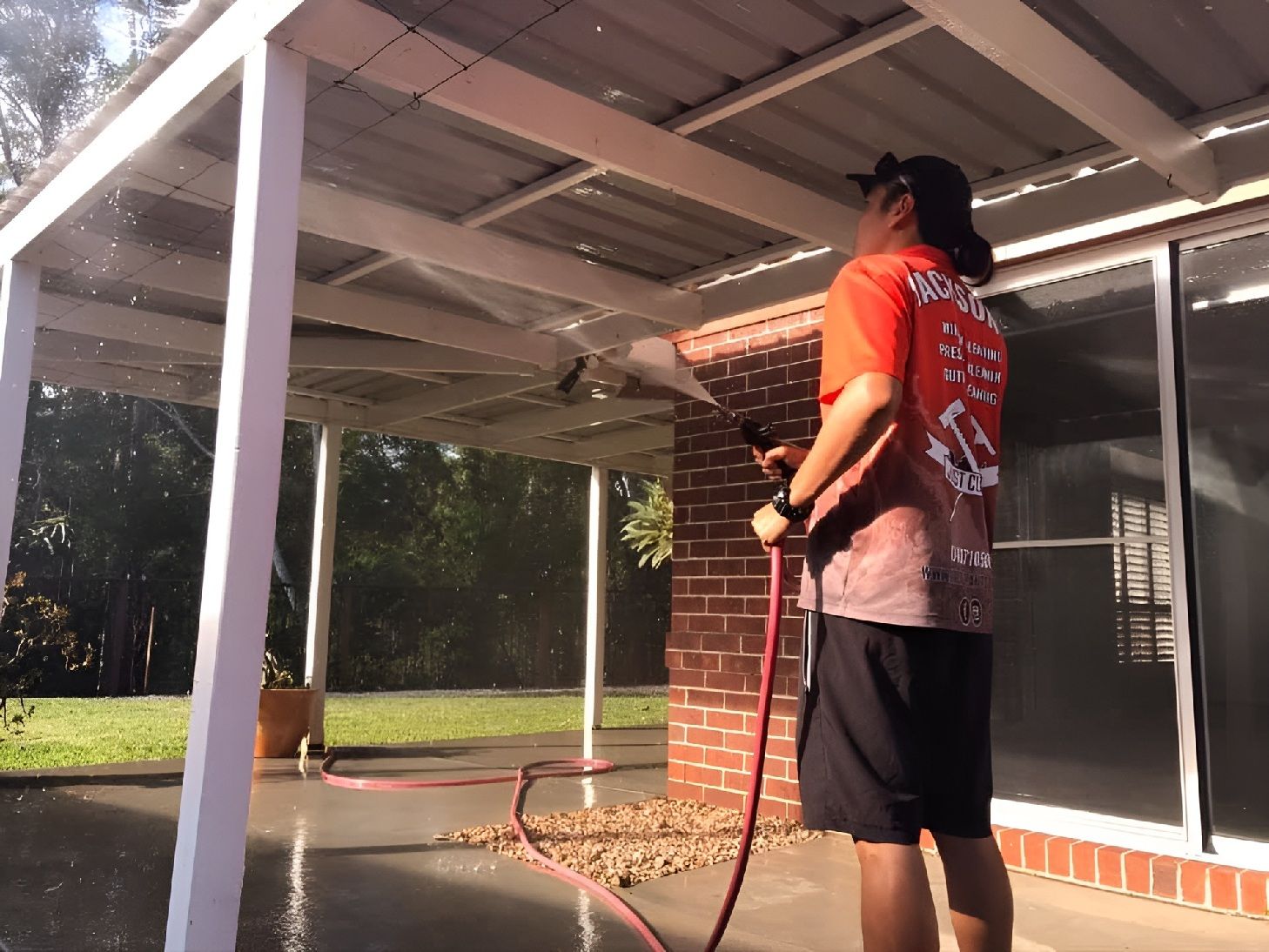
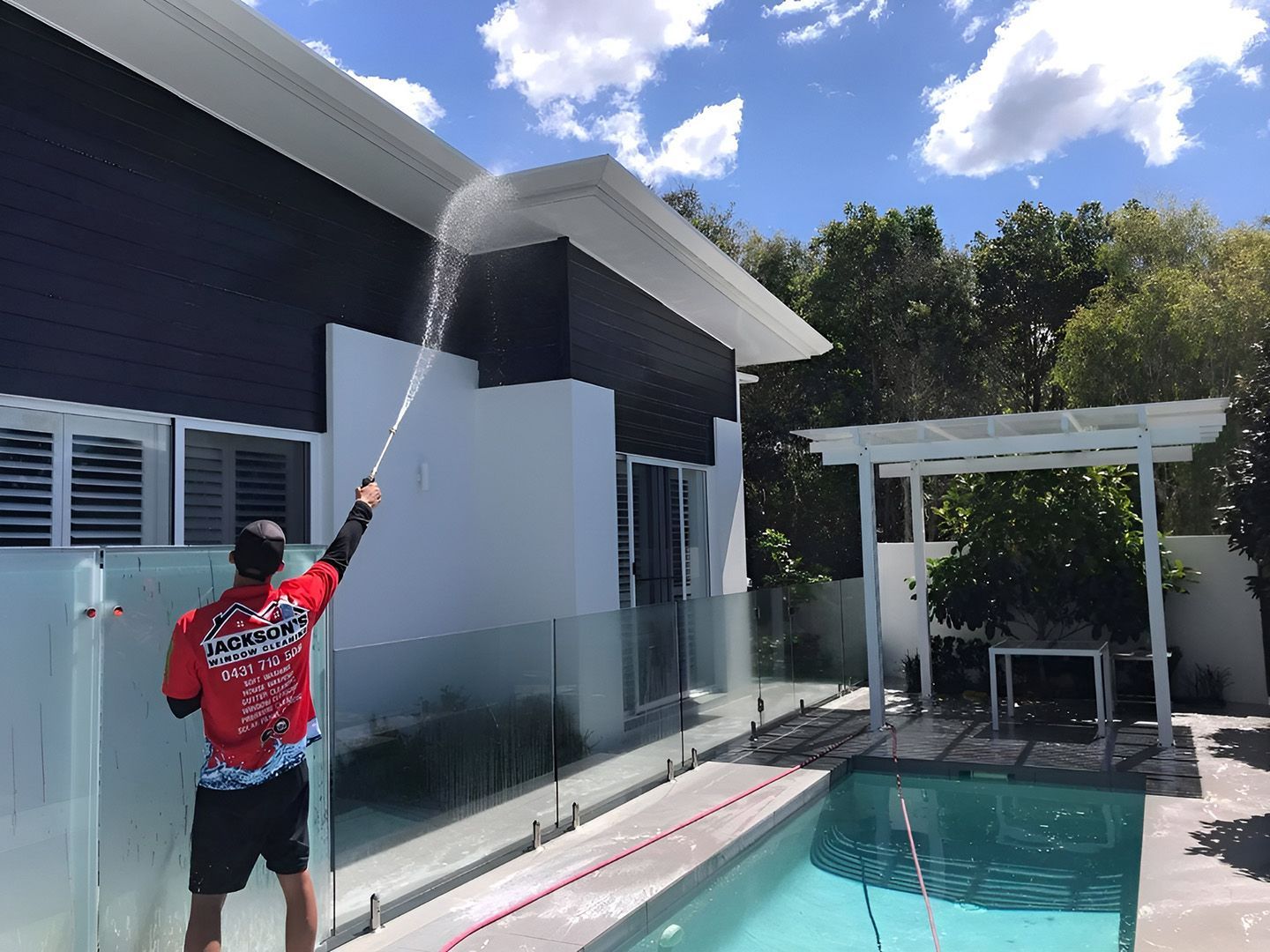
Soft washing relies on low-pressure water combined with specialised cleaning solutions rather than sheer force to lift dirt and organic growth. The solution breaks down mould, algae and grime at a molecular level, allowing it to be rinsed away gently without stripping paint or damaging delicate surfaces. This method is particularly suited to weatherboard, render and painted exteriors, where high pressure could cause cracking, chipping or water intrusion behind cladding. It's a slower, more considered process, but the results speak for themselves, especially on older homes or surfaces that have already weathered a fair bit of coastal exposure.
Why Pressure Cleaning Suits Different Surfaces
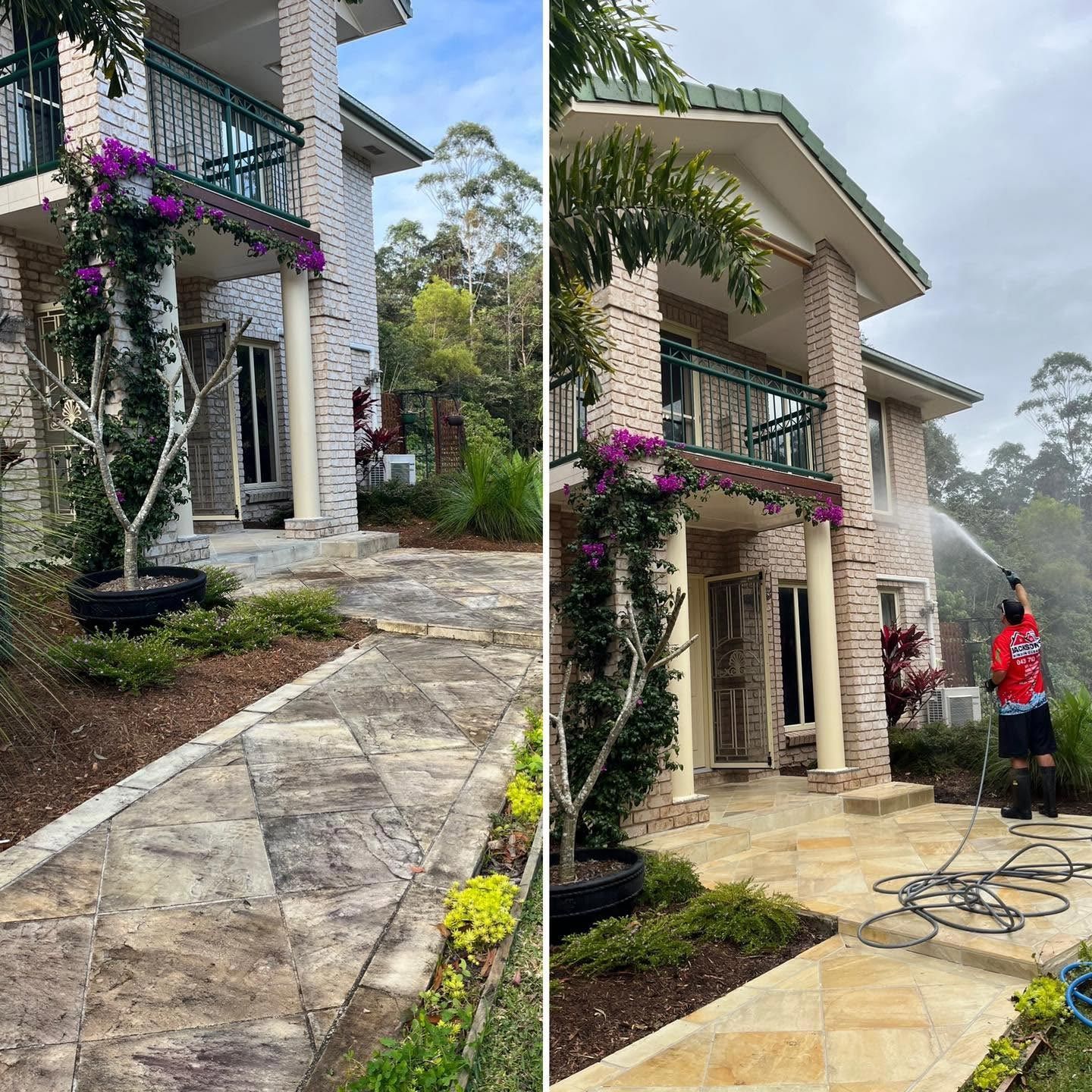
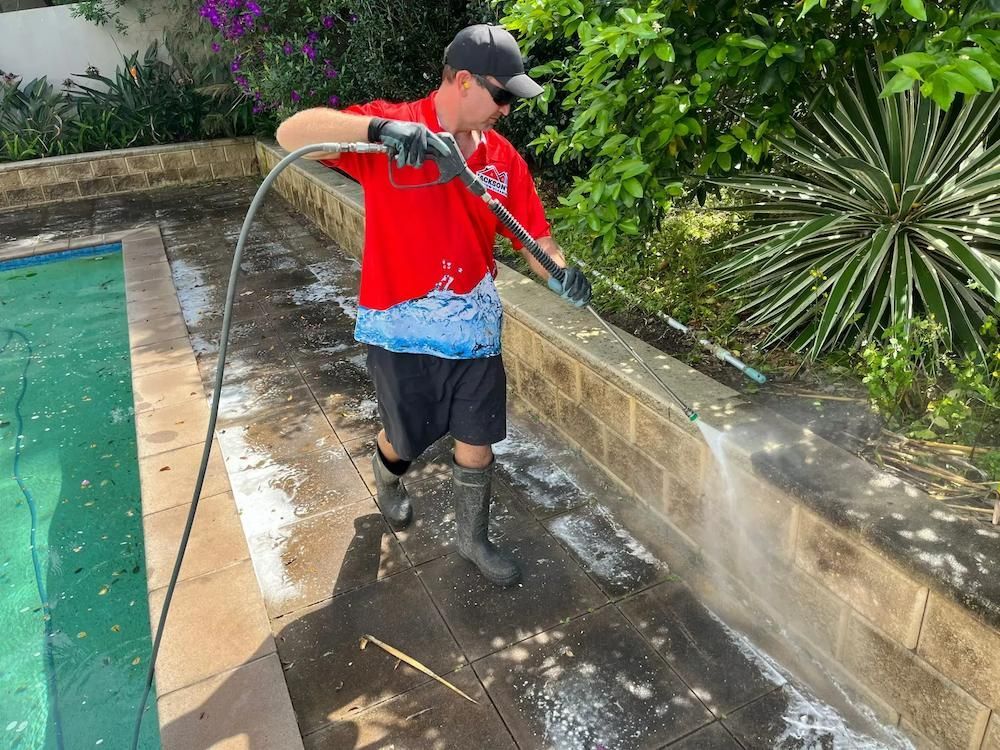
Pressure cleaning uses a concentrated, high-pressure water stream to blast away stubborn dirt, moss and grime, making it ideal for hard, durable surfaces. Driveways, concrete paths, brick pavers and some masonry can handle this level of force without sustaining damage, and the results are often immediate and dramatic. However, using pressure cleaning on the wrong surface can force water into gaps, strip paint or even damage timber.
Knowing which surfaces suit this approach and which don't is where professional judgement makes all the difference:
- Concrete driveways and footpaths
- Brick or stone pavers
- Rendered masonry in good condition
- Certain roofing materials, depending on age and type
What Happens When The Wrong Method Is Used
Choosing the wrong cleaning method isn't just ineffective, it can actively cause damage that costs more to repair than the original grime was ever worth. High-pressure water forced against weatherboard or ageing render can crack seals, push moisture behind cladding and lead to long-term structural issues. On the flip side, soft washing alone won't shift ingrained dirt on concrete or pavers the way pressure cleaning will. This is why a one-size-fits-all approach rarely delivers the outcome homeowners expect, and why matching the method to the material matters just as much as the clean itself.
Spotting The Early Signs Your Home Needs A Wash
Most homeowners don't notice gradual buildup until it's fairly obvious, but there are earlier warning signs worth watching for. Dark streaking on walls, a green or black tinge around gutters, and a general dulling of paintwork are all early indicators that organic growth has taken hold:
- Dark or green streaks running down external walls
- Black spots forming around window frames or eaves
- A chalky or faded appearance on previously vibrant paint
- Slippery patches on paths, decks or driveways
Catching these signs early means a simpler clean and less risk of permanent staining or surface damage.
How Often Coastal Properties Should Be Cleaned
Because of the accelerated wear coastal conditions cause, Gold Coast homes typically need washing more often than properties in drier, inland climates. An annual clean is a sensible baseline, ideally scheduled before the humid summer months set in, though homes closer to the water or in shaded, damp positions may benefit from a wash every six months. Anyone searching for exterior house near me solutions is usually already noticing visible buildup, which suggests a cleaning schedule is overdue rather than simply due. Staying ahead of the grime, rather than reacting to it, keeps both the cost and effort of maintenance lower over time.
Choosing The Right Approach For Your Home's Materials
Every home is built from a different combination of materials, and that combination should guide the cleaning method used. Weatherboard, render and painted surfaces generally respond best to soft washing, while concrete, brick and stone areas can usually handle pressure cleaning without issue.
Getting this wrong isn't just a matter of preference, it directly affects how long your exterior finishes last:
- Weatherboard and timber cladding: soft washing only
- Painted render: soft washing to avoid surface damage
- Concrete and stone pavers: pressure cleaning suitable
- Mixed-material homes: often need both methods applied selectively
Why Professional Assessment Matters Before Cleaning Begins
Jumping straight into a DIY pressure clean without understanding your home's materials is one of the most common mistakes homeowners make. A professional assessment considers the age of your surfaces, the extent of organic growth and the underlying condition of paint or render before any water touches the walls. This matters even more with exterior house washing on the Gold Coast, where salt exposure can weaken surfaces in ways that aren't always visible to the untrained eye. Getting the assessment right up front reduces the risk of damage and ensures the cleaning method chosen actually solves the problem rather than masking it temporarily.
Get Your Home Looking Its Best Again
We at Jackson's Window Cleaning understand how tough the Gold Coast's coastal climate can be on exterior surfaces, and we tailor our approach to suit your home's specific materials and condition. Whether your property needs a gentle soft wash to protect weatherboard and render, or a firmer pressure clean for concrete and paved areas, we bring the right technique and years of local experience to every job. If salt, humidity or built-up grime are starting to show on your walls, get in touch with our team today to book a wash that restores your home's appearance without unnecessary risk to its finishes.